


Country guide
🇩🇰Denmark
A Nordic country of islands, design, cycling, coastline, hygge atmosphere, clean cities and very comfortable everyday life.
- Regions
- 6
- Articles
- 0
- Thematic categories
- 0
General information
Denmark is a Nordic country known for islands, coastline, design, cycling, quality architecture, sustainable living and the relaxed atmosphere of hygge. It lies between Germany, the North Sea and the Baltic Sea, forming a natural bridge between continental Europe and Scandinavia. The capital Copenhagen is one of Europe’s most pleasant cities for walking, cycling, cafes, gastronomy and urban wandering. Beyond Copenhagen, places such as Aarhus, Odense, Aalborg, Roskilde, Skagen, Bornholm and the coastal areas of Jutland are also worth exploring. Denmark suits travelers who enjoy waterfront cities, design, calmness, good coffee, cycling, the sea and understated Nordic style.
Travel
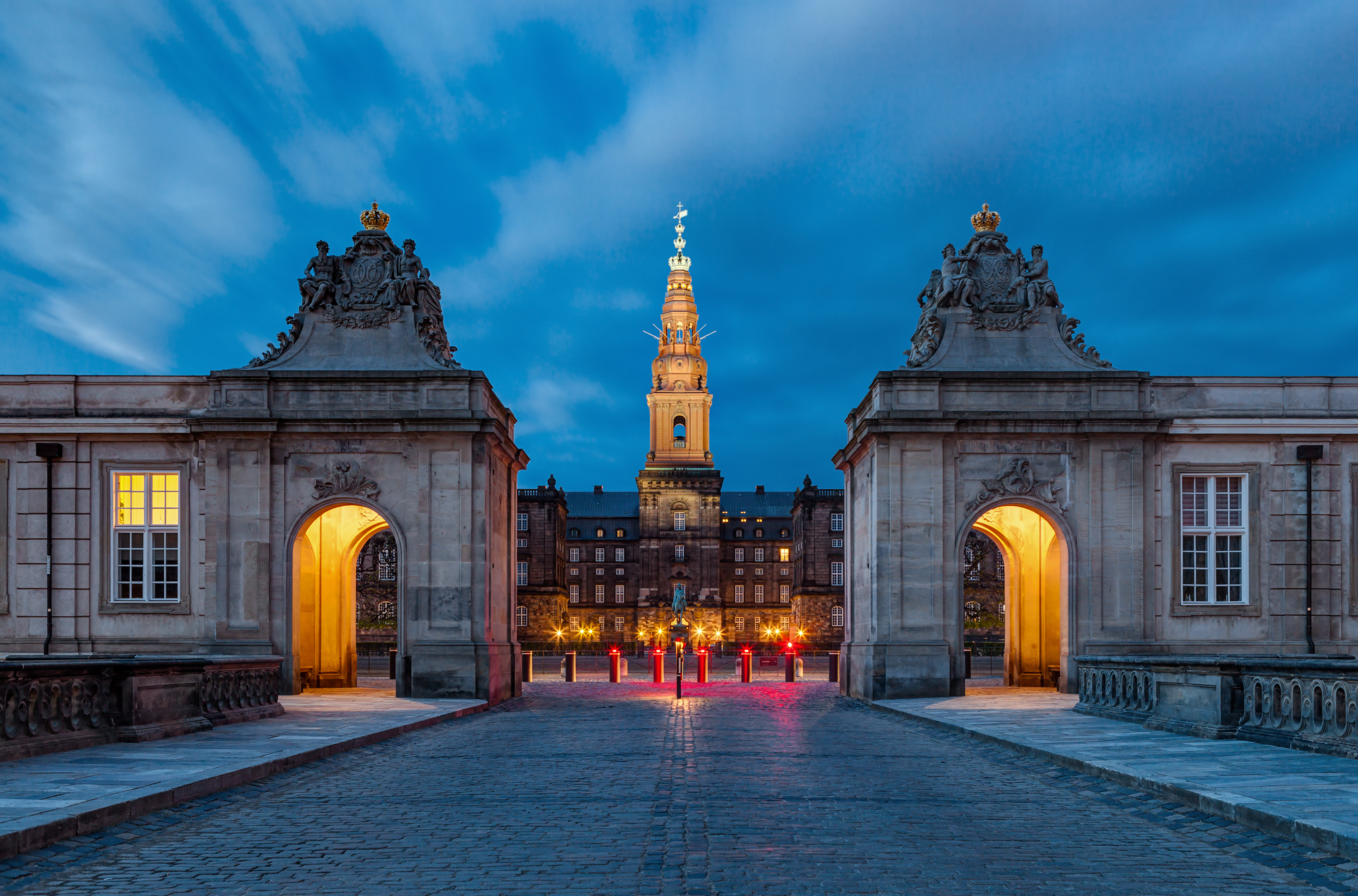
Copenhagen is the main travel gateway, with harbor districts, cycle lanes, modern architecture, Tivoli Gardens, royal palaces, Nyhavn, museums, street food and excellent restaurants. Aarhus feels young, cultural and university-driven, while Odense is closely connected with Hans Christian Andersen. Roskilde offers Viking history and a famous music festival, while Skagen is known for light, dunes and the meeting of two seas. The island of Bornholm brings cliffs, beaches, villages and a slower island rhythm. Denmark is excellent for city breaks, cycling routes, family trips, coastal road trips and relaxed travel without long distances.
Life and work
Life in Denmark is safe, well organized and strongly focused on everyday quality. Copenhagen has the strongest job market, especially in technology, design, architecture, pharmaceuticals, education, services and international companies. Aarhus, Odense and Aalborg offer smaller but lively urban environments with universities and a high quality of life. Costs are high, especially housing, services and restaurants, but public infrastructure, cycling and the social system work very well. English is widely spoken, but Danish is a major advantage for long-term integration and broader job opportunities. Denmark suits people who value work-life balance, clean surroundings, personal space and a society where things are usually handled practically.
Culture and food
Danish culture is practical, understated and built around trust, equality, design, community and the ability to turn an ordinary evening into something pleasant. The word hygge is not just a tourist label — it captures the Danish love of comfort, light, home, candles and quiet coziness. Food often features smørrebrød, fish, seafood, rye bread, pork, potatoes, cheeses, pastries, cinnamon rolls and modern Nordic cuisine. Copenhagen is one of Europe’s most interesting food cities, but even a simple bakery or cafe can feel like a small travel highlight. Denmark is not flashy, and much of its charm lies exactly in that restraint.
Practical notes
In Denmark, public-space rules may feel relaxed, but they are enforced quite consistently. Alcohol is widely available and beer is part of Danish life, but public drinking may be restricted by local rules, especially on transport, in parks, around schools, stations or nightlife areas. Smoking and vaping are restricted in indoor public spaces, restaurants, bars, public transport, workplaces and many places connected with children or schools. Nudity and naturism are generally more accepted in Denmark than in many other European countries, especially on beaches, but place and context still matter; on family beaches or in cities, be considerate. Cannabis is not legal free recreation, even if travelers think of Christiania in Copenhagen; buying, possessing or selling it can lead to fines and trouble. Hard drugs, THC products and carrying substances across borders are a very bad idea. For CBD, kratom and similar products, check current rules and product composition. When driving, expect limits of 50 km/h in towns, 80 km/h outside built-up areas and up to 130 km/h on motorways, although some motorway sections are signed at 110 km/h. The drink-driving limit is 0.5 g/l. Passenger cars usually do not need a motorway vignette, but major bridges such as Storebælt and Øresund are tolled, and cities may apply low-emission rules for selected vehicle types. Take cyclists seriously: they have dedicated lanes, priority situations and in Copenhagen, wandering into the cycle lane is a sport best avoided.
Regions and routes
Regions and areas
Aarhus, Jutland and Mainland Denmark
Aarhus, Jutland, museums, beaches, dunes, Legoland, Viking sites, student life, design and Denmark’s more spacious mainland side.
- Articles
- 0
Aarhus, Jutland and Mainland Denmark
Aarhus, Jutland, museums, beaches, dunes, Legoland, Viking sites, student life, design and Denmark’s more spacious mainland side.
- Articles
- 0
Bornholm
Bornholm, Baltic beaches, round churches, smokehouses, cliffs, cycling, fishing villages, ceramics and Denmark’s sunny island escape.
- Articles
- 0
Copenhagen, Zealand and the Øresund Region
Copenhagen, castles, design, canals, cycling, museums, food, Zealand, Roskilde, Helsingør, beaches and the easiest gateway to Denmark.
- Articles
- 0
Funen, Odense and the Danish Islands
Funen, Odense, fairy-tale towns, castles, bridges, islands, cycling, gardens, harbours and a softer, more romantic Denmark.
- Articles
- 0
North Zealand and the Danish Riviera
North Zealand, the Danish Riviera, castles, beaches, forests, fishing towns, Louisiana Museum, Kronborg and Copenhagen’s elegant coastal escape.
- Articles
- 0